Let’s talk about credit. It’s one of those adulting things that can feel super intimidating, right? When I first started, I honestly had no idea what I was doing. The whole concept of a “credit score” felt like some mysterious number that controlled my financial life. And in a way, it does. But here’s the thing: it’s not a mystery you can’t solve. Learning how to build credit is like learning any new skill. It takes a bit of knowledge, some consistent effort, and a little patience. I’ve spent years navigating the credit world, testing different strategies, and I can tell you from experience that going from a thin credit file to an excellent score is absolutely achievable. It’s not about finding some secret loophole; it’s about understanding the rules of the game and playing it smart.
This isn’t just another boring financial guide. This is a masterclass. We’re going to break down everything you need to know, from the absolute basics to the pro-level strategies that can accelerate your credit-building journey. Whether you’re a student just starting, a newcomer to the country, or someone looking to rebuild after a few financial missteps, you’re in the right place. We’ll cover the best tools, the smartest habits, and the exact steps I used to build my own credit. So, grab a coffee, and let’s get this journey started. By the end of this, you won’t just understand credit—you’ll be in control of it.
Table of Contents
- Understanding Credit: What It Is and Why It Matters
- Credit Score 101: Deconstructing the Numbers
- Your First Steps: How to Build Credit from Scratch
- The Best Cards for Building Credit: A Comparison
- Advanced Strategies for Credit Score Improvement
- Common Mistakes to Avoid When Building Credit
- Frequently Asked Questions (FAQ)
Understanding Credit: What It Is and Why It Matters
Before we dive into the nitty-gritty of how to build credit, let’s get on the same page about what credit actually is. At its core, credit is simply a measure of trust. It’s a lender’s belief that you’ll pay back borrowed money. When you use a credit card, take out a student loan, or get a mortgage, you’re using credit. You’re essentially promising to repay that money, usually with interest, over a set period of time. Your credit history is the record of how well you’ve kept those promises.
Now, why is this so important? Well, your credit history is summarized into a credit score, a three-digit number that financial institutions use to quickly assess your creditworthiness. A good credit score can unlock a world of financial opportunities. It can mean the difference between getting approved for a new apartment or not, securing a low-interest car loan, or even landing certain jobs. I remember when I was trying to get my first apartment, the landlord ran a credit check. My score wasn’t great at the time, and it almost cost me the place. That was a huge wake-up call for me. It made me realize that building good credit isn’t just about getting more credit cards; it’s about building a foundation for your financial future.
Credit Score 101: Deconstructing the Numbers
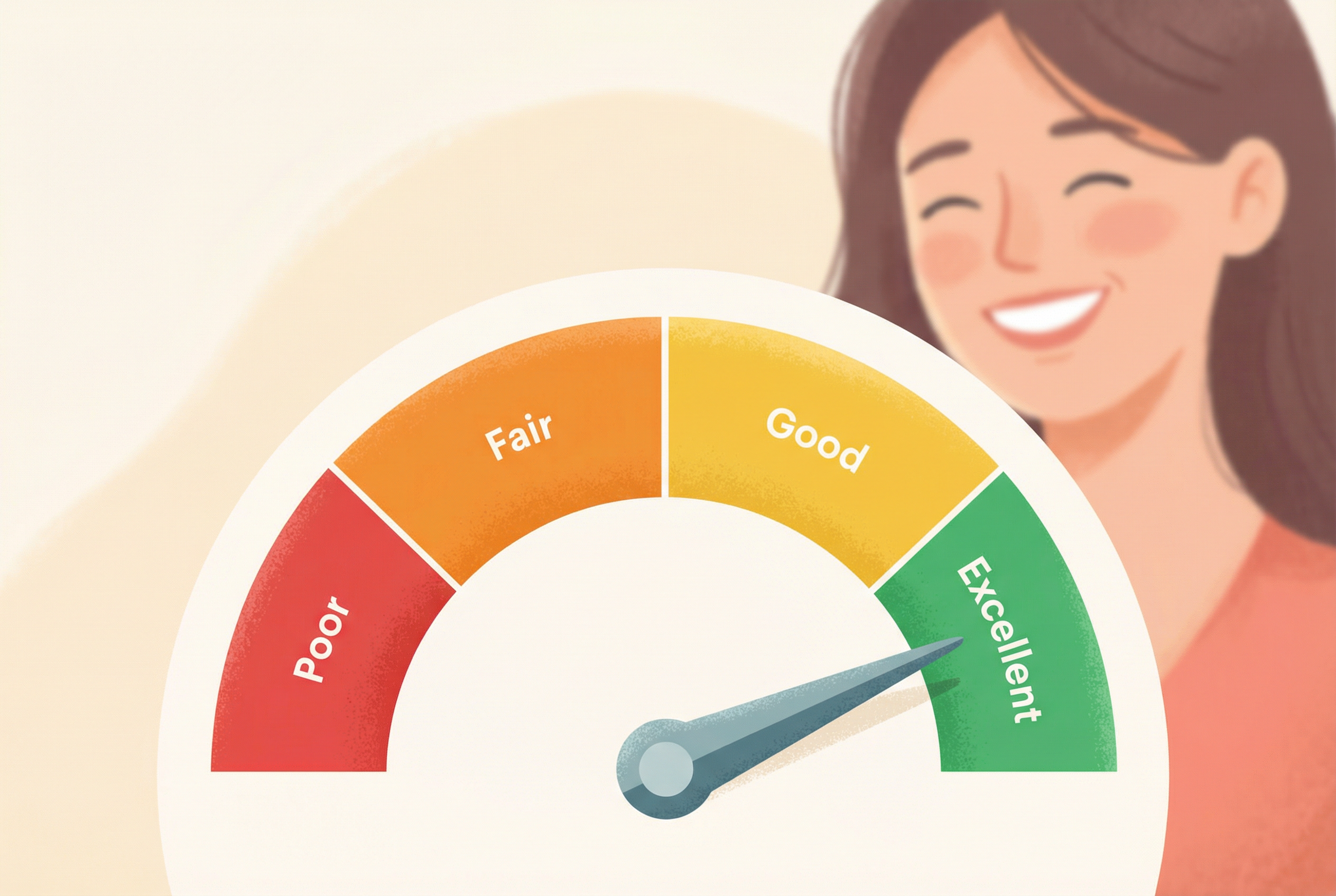
So, we’ve established that your credit score is a big deal. But what exactly goes into that number? It’s not as arbitrary as it seems. The most common credit scoring model is the FICO score, which ranges from 300 to 850. Think of it like a financial report card. Lenders use it to get a quick snapshot of your credit risk. A higher score means you’re seen as a lower risk, which translates to better interest rates and more favorable loan terms. Honestly, it’s a game-changer.
There are five main components that make up your FICO score, each with a different weight:
- Payment History (35%): This is the single most important factor. It’s a record of whether you’ve paid your bills on time. Late payments, bankruptcies, and collections all have a significant negative impact.
- Amounts Owed (30%): This looks at your credit utilization ratio—how much of your available credit you’re using. We’ll get more into this later, but the general rule is to keep it low.
- Length of Credit History (15%): A longer credit history generally leads to a higher score. This is why it’s often a good idea to keep old credit card accounts open, even if you don’t use them much.
- Credit Mix (10%): Lenders like to see that you can handle a mix of different types of credit, such as credit cards, installment loans (like a car loan or mortgage), and retail accounts.
- New Credit (10%): This factor considers how many new accounts you’ve opened recently and how many hard inquiries are on your report. Opening too many new accounts in a short period can be a red flag.
When I first started, I was so focused on just paying my bills on time that I completely ignored my credit utilization. I was regularly maxing out my one and only credit card, thinking it was fine as long as I paid it off. My score stagnated for months until I learned about the 30% rule. It was a simple change, but it made a huge difference. Understanding these components is the first step to taking control of your score and starting your credit score improvement journey.

Your First Steps: How to Build Credit from Scratch
Starting with a blank credit slate can feel like a catch-22: you need credit to get credit. It’s frustrating, I know. When I was a student, I couldn’t even get a basic credit card because I had no credit history. It felt like I was stuck in a loop. But here’s the good news: there are several proven strategies to get your foot in the door. This is where the real journey of how to build credit begins.
Become an Authorized User
One of the easiest ways to start building credit is to become an authorized user on someone else’s credit card. This is usually a family member, like a parent or spouse, who has a good credit history. Essentially, you get your own card linked to their account. Their responsible credit habits—like on-time payments and low credit utilization—get reported to the credit bureaus under your name. It’s like getting a credit history boost without having to go through the approval process yourself. A word of caution, though: make sure the primary cardholder is responsible. If they miss payments or max out the card, it can hurt your credit too. It’s a two-way street.
Apply for a Secured Credit Card
This was my personal entry point into the credit world, and honestly, it’s one of the best tools for beginners. A secured credit card is backed by a cash deposit you make upfront. This deposit typically equals your credit limit. For example, if you deposit $500, you get a $500 credit limit. This deposit removes the risk for the lender, making it much easier to get approved, even with no credit history. You use it just like a regular credit card, and your payments are reported to the credit bureaus. As long as you make your payments on time, you’ll start to build a positive credit history. After a year or so of responsible use, many lenders will even upgrade you to an unsecured card and refund your deposit. It’s a fantastic way to build credit fast while learning good habits.
Get a Credit-Builder Loan
A credit-builder loan is another excellent option. It works a bit differently than a traditional loan. Instead of getting the money upfront, you make monthly payments to the lender, who holds the loan amount in a savings account. Once you’ve paid off the loan, you get the money. It’s a forced savings plan and a credit-building tool all in one. These loans are designed for people with little to no credit, so they’re relatively easy to qualify for. The payment history is reported to the credit bureaus, which helps you build a positive credit file. It’s a great way to demonstrate that you can handle installment credit, which adds to your credit mix.
The Best Cards for Building Credit: A Comparison
Once you’re ready to get your own credit card, the options can be overwhelming. There are so many cards out there, all claiming to be the best. When you’re just starting, your focus should be on cards designed specifically for credit building. These cards often have lower credit limits and fewer perks, but they report to all three major credit bureaus (Equifax, Experian, and TransUnion), which is crucial for building a comprehensive credit history. Here’s a look at some of the best cards for building credit.
| Card Feature | Discover it® Secured Credit Card | Capital One Platinum Secured Credit Card | OpenSky® Secured Visa® Credit Card |
|---|---|---|---|
| Annual Fee | $0 | $0 | $35 |
| Security Deposit | Minimum $200 | Minimum $49, $99, or $200 | Minimum $200 |
| Credit Check Required | Yes | Yes | No |
| Rewards | Yes, cash back | No | No |
| Upgrade to Unsecured Card | Yes, automatic reviews start at 7 months | Yes, automatic reviews start at 6 months | No, must close account to get deposit back |
I started with a card very similar to the Discover it® Secured, and the cash back rewards, while small, were a nice little bonus. It made using the card feel more rewarding, literally. The Capital One Platinum Secured is also a strong contender, especially if you can qualify for the lower deposit. The OpenSky® Secured Visa® is a great option if you have a particularly rocky credit history, since there’s no credit check. However, the annual fee and lack of an upgrade path are definite downsides. For those just starting their credit building journey, a secured card is often the best first step.
Advanced Strategies for Credit Score Improvement
Once you’ve got the basics down and have a couple of credit accounts reporting positive history, it’s time to level up. These are the strategies that can really accelerate your credit score improvement and help you get into the excellent credit range (typically 740 and above). It’s not just about avoiding mistakes anymore; it’s about being proactive and strategic. When I was stuck in the “good” credit range, these are the techniques that pushed me over the top.
Master Your Credit Utilization Ratio
We touched on this earlier, but it’s so important that it deserves its own section. Your credit utilization ratio is the percentage of your available credit that you’re using. For example, if you have a $1,000 credit limit and a $300 balance, your utilization is 30%. The general advice is to keep your utilization below 30%, but honestly, the lower the better. I aim for under 10%. This shows lenders that you’re not reliant on credit to fund your lifestyle. A high utilization ratio can be a major red flag, even if you pay your bill in full every month. It suggests that you might be overextended and at a higher risk of default.
Request Credit Limit Increases
Here’s a pro-tip that many people overlook: regularly ask for credit limit increases on your existing cards. A higher credit limit instantly lowers your credit utilization ratio, assuming your spending stays the same. For example, if you have a $500 balance on a $1,000 limit card (50% utilization), getting that limit increased to $2,000 drops your utilization to 25% without you doing anything else. Most credit card companies allow you to request a credit limit increase online in just a few minutes. As long as you’ve been a responsible cardholder, there’s a good chance they’ll approve it. It’s one of the simplest ways to build credit fast.
Diversify Your Credit Mix
Remember how credit mix accounts for 10% of your FICO score? Lenders like to see that you can responsibly manage different types of credit. If you only have credit cards, consider adding an installment loan to the mix. A credit-builder loan is a great option, as we discussed. But you could also consider a small personal loan or a car loan, as long as you can comfortably afford the payments. This diversification shows that you’re a well-rounded borrower. It’s a subtle but effective way to boost your score. For those with higher scores, exploring premium credit cards can also be a good move.
| Strategy | Impact on Credit Score | Effort Level | Best For |
|---|---|---|---|
| Lowering Credit Utilization | High | Low to Medium | Everyone |
| Requesting Credit Limit Increases | Medium to High | Low | Those with 6+ months of positive history |
| Diversifying Credit Mix | Medium | Medium | Those with a few established credit lines |
| Becoming an Authorized User | Medium | Low | Beginners or those with thin files |
Common Mistakes to Avoid When Building Credit
Look, building credit is a marathon, not a sprint. And along the way, it’s easy to make a few missteps. I’ve certainly made my share. The key is to learn from them and avoid the common pitfalls that can set your progress back. This isn’t about being perfect; it’s about being smart and consistent. Here are some of the most common mistakes I see people make when they’re trying to build credit.
Closing Old Credit Cards
This is a big one. When you pay off a credit card, especially one you don’t use much anymore, it can be tempting to close the account and simplify your financial life. Don’t do it. Remember how length of credit history makes up 15% of your score? Closing an old account can shorten your credit history, which can actually lower your score. It also reduces your total available credit, which can increase your credit utilization ratio. Unless the card has a high annual fee that you can’t justify, it’s almost always better to keep it open. Just use it for a small purchase every few months to keep it active.
Applying for Too Much Credit at Once
When you’re excited to build credit, it can be tempting to apply for several cards at once to see what you can get. This is a classic rookie mistake. Every time you apply for a new credit card, the lender does a “hard inquiry” on your credit report. Each hard inquiry can temporarily dip your score by a few points. A bunch of hard inquiries in a short period can make you look desperate for credit, which is a red flag to lenders. It’s a much better strategy to space out your applications by at least six months. Do your research, pick the card you have the best chance of getting approved for, and stick with that one application. Patience is a virtue in the credit-building game, and for those looking to build credit quickly, this is a key principle to remember.
Missing Payments
This might seem obvious, but it’s the cardinal sin of credit. Your payment history is the most important factor in your credit score. A single late payment can stay on your credit report for seven years and can cause a significant drop in your score, especially if you have a young credit file. I can’t stress this enough: pay your bills on time, every single time. Even if you can only afford the minimum payment, make sure you pay it by the due date. Set up automatic payments if you’re worried about forgetting. It’s the most fundamental and non-negotiable rule of building good credit. For students just starting out, our student rewards card guide offers more tips on responsible credit card use.

Frequently Asked Questions (FAQ)
<h3>How long does it take to build a good credit score?</h3>
<p>Honestly, there's no magic number, but you can start seeing progress within a few months. If you start from scratch and consistently make on-time payments and keep your utilization low, you could potentially reach a good credit score (670+) within 6-12 months. It took me about a year to get into the good range, and another year to hit excellent. The key is consistency.</p>
<h3>What is the fastest way to build credit?</h3>
<p>The fastest way to <strong>build credit fast</strong> is a combination of strategies. Become an authorized user on a card with a long, positive history, get a secured credit card and use it responsibly, and consider a credit-builder loan. This multi-pronged approach can accelerate your progress. But remember, "fast" in the credit world is still a matter of months, not days.</p><h3>Can I build credit without a credit card?</h3>
<p>Yes, you absolutely can. Credit-builder loans are a great way to build credit without a credit card. Some rent-reporting services can also help by adding your on-time rent payments to your credit report. However, having a credit card and using it responsibly is one of the most effective ways to build a strong credit history.</p><h3>Does checking my credit score lower it?</h3>
<p>This is a common myth. Checking your own credit score is a "soft inquiry" and has no impact on your score. You can and should check your credit score regularly. A "hard inquiry," which happens when you apply for new credit, is what can temporarily lower your score by a few points.</p><h3>What is a good credit score to have?</h3>
<p>Generally, a FICO score of 670 or higher is considered good. A score of 740 or higher is considered very good, and 800 or higher is excellent. The higher your score, the better your chances of getting approved for loans with favorable terms.</p><h3>How many credit cards should I have?</h3>
<p>There's no perfect number, but having at least 2-3 credit cards can be beneficial for your credit mix and can make it easier to keep your overall credit utilization low. I personally have four, each with different rewards. The most important thing is to only have as many as you can manage responsibly.</p><h3>Does my income affect my credit score?</h3>
<p>No, your income is not a factor in your credit score. However, lenders will consider your income when you apply for a loan or credit card to determine your ability to repay. So while it doesn't directly affect your score, it does play a role in your overall financial health.</p><h3>What's the difference between a FICO score and a VantageScore?</h3>
<p>FICO and VantageScore are two different credit scoring models. They use similar data from your credit reports but weigh the factors differently, so your scores may vary slightly between the two. FICO is the most widely used model by lenders, so it's the one you should pay the most attention to.</p>
References
- Consumer Financial Protection Bureau – What is a credit score?
- Experian – How to Build Credit: A Comprehensive Guide
- Federal Reserve – 5 Tips for Improving Your Credit Score
- myFICO – What’s in Your Credit Score